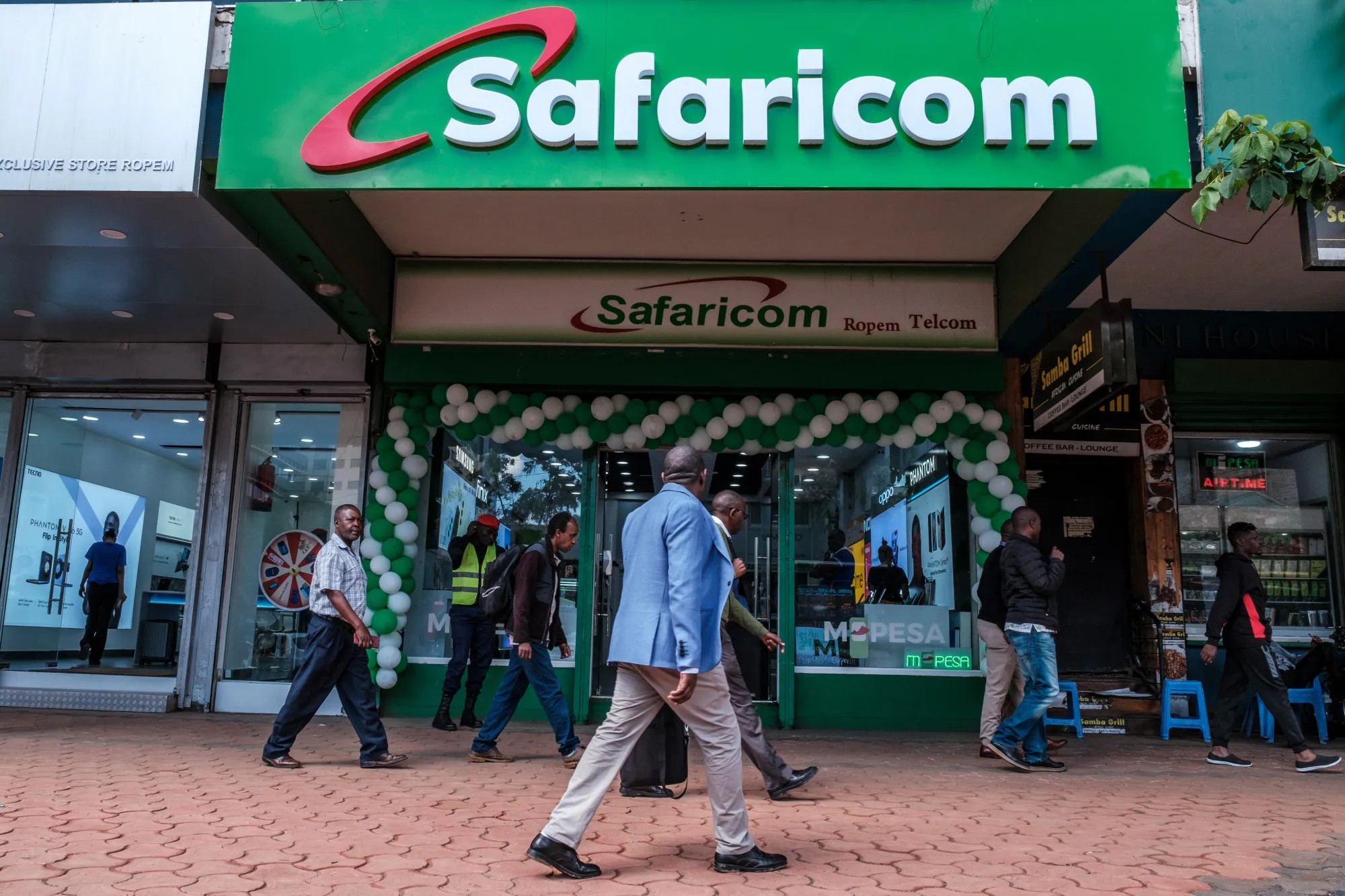
Kenya’s High Court stops the sale of a 15% Safaricom stake to Vodacom, ordering the shares returned to government ownership.
Judges sitting at the High Court in Kenya have ordered that a 15% shareholding in the nation’s biggest phone company, Safaricom, must be taken away from foreign investors and returned immediately to government ownership.
The historic court ruling was delivered on Tuesday, September 15, 2026. The judgment completely cancels a huge business agreement that took place ten weeks earlier, when the government sold six billion company shares to South Africa’s Vodacom group for over two hundred and four billion Kenyan shillings.
The legal case was decided inside the High Court in Nairobi by a special three-judge panel consisting of Justices Francis Gikonyo, Roselyne Aburili, and Tabitha Ouya.
The court battle started after ordinary citizens, subscriber protection groups, and civil rights activists filed petitions asking the judges to stop the deal.
Before the sale, the Kenyan government owned thirty five percent of the phone company, while Vodacom held forty percent.
The transaction raised Vodacom’s shareholding to fifty five percent, giving the foreign company majority control over Kenya’s largest network and its popular M-Pesa mobile money service.
The primary reason the three judges canceled the entire business deal is that government officials secretly pushed the transaction through without asking ordinary citizens for their views or obeying financial openness laws.
The judges explained that under the country’s constitution, the government must hold proper public meetings before selling off major national assets.
In their detailed ruling, the judges noted that government leaders presented the deal as a simple share sale when it was actually a full company takeover that gave majority control to a foreign firm, hiding vital facts from the public and breaking financial market rules.
In addition to hiding key business details, the court ruled that the government broke procurement laws when hiring financial advisors to arrange the trade.
The judges declared that because the transfer broke constitutional rules on transparency, public participation, and fair management of public money, the entire transaction was completely invalid.
The court then issued a binding legal order directing that all six billion shares involved in the transaction be returned to the government of Kenya to be held safely on behalf of all Kenyan citizens.
Delivering the judgment on behalf of the 3 member panel, the judges stated, “Based on our analysis, findings and holdings in respect of the various issues identified for determination, we are satisfied that the petitioners have proved on a balance of probabilities that the divestiture in question was undertaken and procured in contravention of the Constitution and the law. It was, therefore, invalid, null and void.”
Reaffirming that illegally transferred public assets must be given back to the state, the court ruled, “A declaration is hereby made that the 15 percent shares subject of the partial divestiture having been transferred in contravention of the Constitution and the law are hereby restored to the ownership of the Government of Kenya on behalf of the people of Kenya.”
Following the decision, Vodacom announced that it would file an urgent appeal, with company representatives confirming that they will ask the Court of Appeal to pause the judgment until higher judges review the case.
This landmark court judgment marks a victory for public transparency, internet privacy, and citizen rights in Kenya. As legal teams prepare for the appeal battle, everyday mobile phone users across East Africa are celebrating the court’s decision to protect their national phone network and keep local control over the mobile money service that powers their daily lives.