
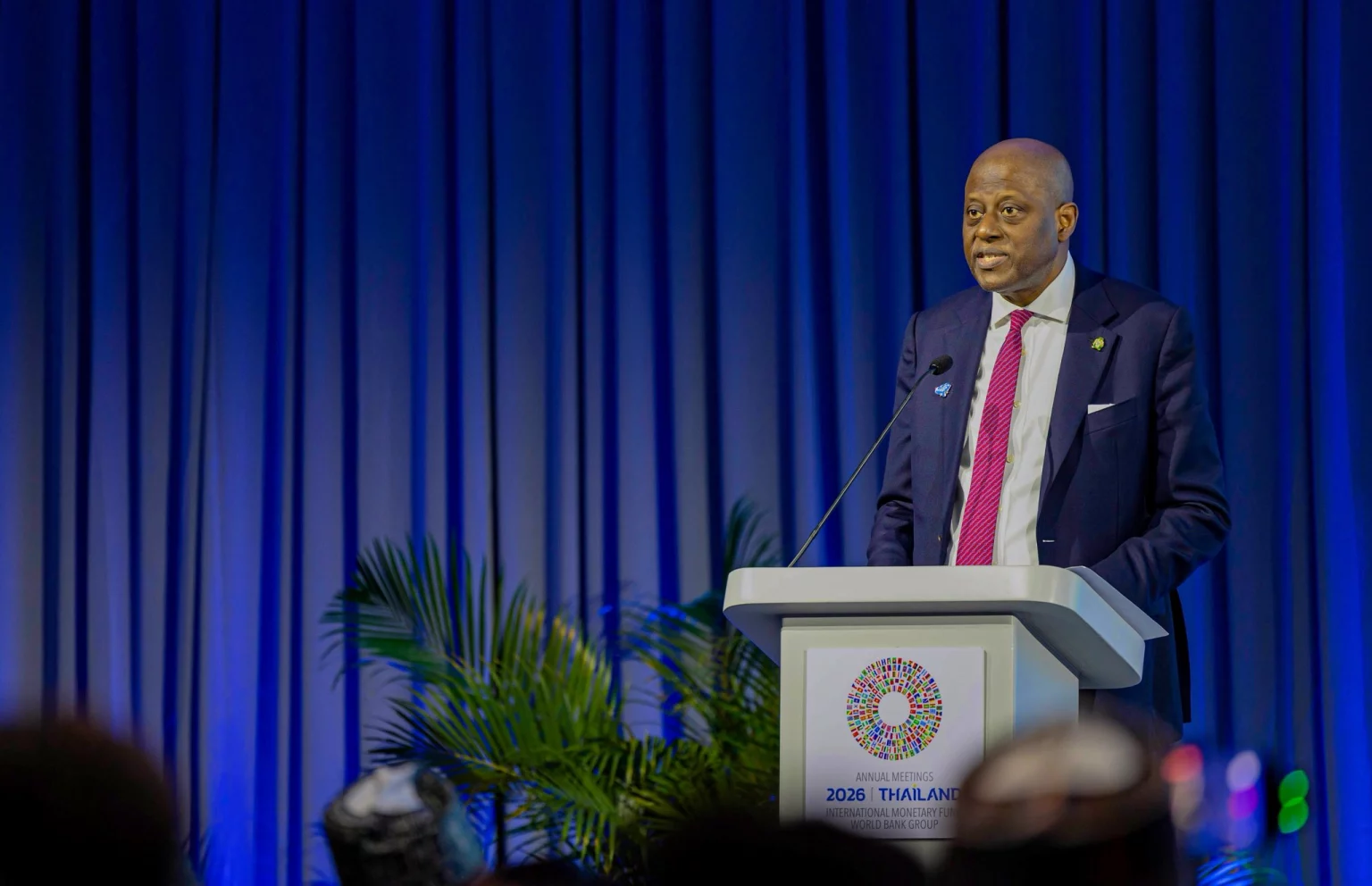
The Central Bank of Nigeria set a ₦15 billion paid-up capital requirement for foreign stablecoin issuers and introduced strict licensing rules.
The Central Bank of Nigeria has officially released comprehensive new regulatory guidelines requiring foreign-currency stablecoin issuers, including companies behind prominent dollar-pegged tokens like USDT and USDC, to maintain at least ₦15 billion, equivalent to about $11.16 million, in paid-up capital to operate within the country.
The crucial financial policy update was publicly published on November 6, 2026, establishing strict oversight over digital currencies used widely for cross-border trade and remittances.
Under this new regulatory framework, foreign stablecoin operators must establish locally incorporated and licensed entities in Nigeria, complying with local capital, reserve backing, and customer redemption arrangements or face total loss of market access.
The central monetary authority also set a ₦10 billion, or $7.44 million, minimum capital requirement for issuers focusing on naira-backed stablecoins.
Furthermore, the newly introduced framework places a strict ban on algorithmic stablecoins, digital currencies that rely primarily on automatic adjustments to token supply rather than solid reserve backing to maintain value.
Existing operators are granted a grace period of 180 days to apply for formal licenses, though companies must register within 30 days and begin submitting supervisory reports within 60 days.
Commenting on the strategic importance of bringing non-security virtual assets into a supervised structure, the regulator noted that stablecoins play an increasingly vital role in how businesses move money across borders and access foreign exchange liquidity.
Establishing transparent rules, capital buffers, and consumer protections for digital currencies is very important for everyday market traders, small business owners, freelancers, and working families across Africa.
See Also: Chinese Regulators Questioned OPay Before $300 Million New York Stock Exchange Listing Withdrawal
In recent years, millions of citizens across the continent have turned to dollar-backed stablecoins to protect their savings against local currency inflation and pay international suppliers quickly without traditional banking delays.
When central banks set clear legal guidelines instead of imposing blanket bans, it brings predictability to the digital economy, protects ordinary users from fraud, and ensures that fintech innovations can grow safely.
Clear regulatory frameworks give both businesses and everyday consumers the confidence to use digital financial tools securely.
Explaining how the new regulations aim to bring order and safety to the rapidly growing digital asset landscape while ensuring rigorous compliance, industry reporting highlighted the core objectives of the framework.
Highlighting the necessity for tighter oversight as global stablecoin companies expand their operations across regional markets, financial analysts noted that “with this framework, the CBN seeks greater oversight of non-security virtual assets used for payments, including stablecoins, as they play an emerging role in how businesses and merchants move money across borders”.
Emphasizing that foreign approvals do not exempt international token issuers from local compliance, the regulatory guidelines laid out strict operational standards.
Pointing out the mandatory timeline for compliance and the penalties for non-adherence, official regulatory statements added that “failure to submit within that period shall require cessation until the required licence or authorisation is obtained”.
Cryptocurrency stakeholders and fintech executives are closely reviewing the new requirements. As international stablecoin providers and local fintechs evaluate the licensing process, digital currency users across the region look forward to a more regulated and secure financial ecosystem.



1 thought on “CBN Sets $11 Million Capital Requirement and New Rules for Foreign Stablecoin Issuers”