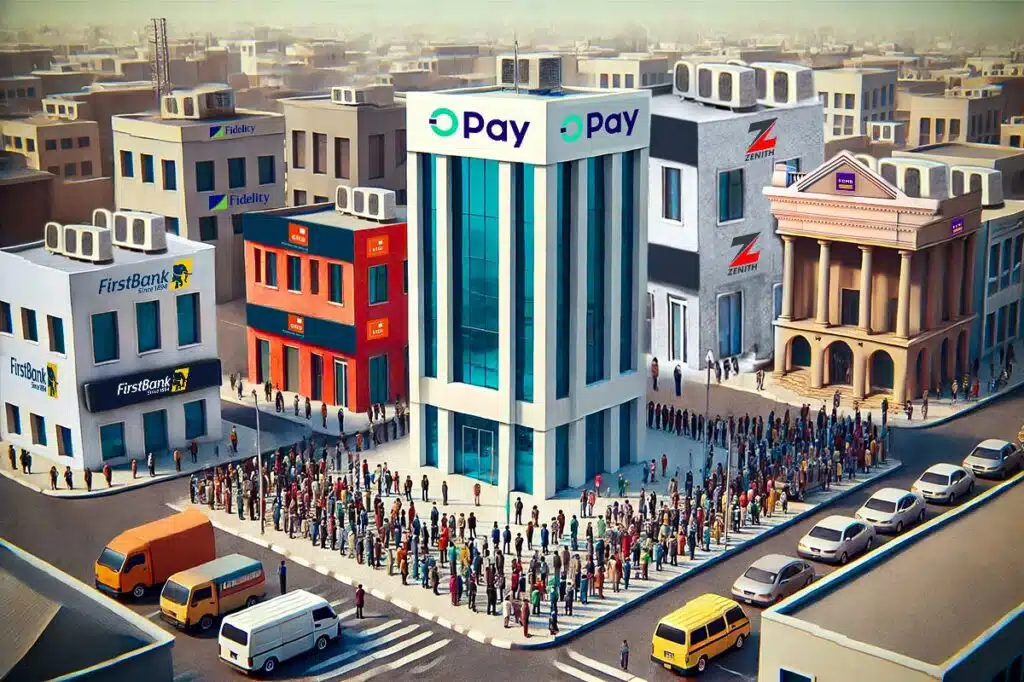
Nigerian banks face growing cyber threats and big fraud losses as fast money apps like OPay win more everyday users.
Banks in Nigeria are facing growing trouble from online thieves as fresh attacks raise worries about how safe people’s money and personal details really are, while fast money apps like OPay draw more everyday customers.
The security warning grew louder in November 2026 after several banks and financial apps reportedly faced waves of cyberattacks over the previous month.
Amid these security worries, big banks including Access Holdings, Guaranty Trust Holding Company, and Zenith Bank reported combined money lost to fraud of up to N2.74 billion during the first half of 2026.
At the same time, online crooks are using smarter computer tools, including AI, to try to fool security checks such as live face scans used to confirm who a customer is, while wide online supply-chain attacks have hit big international websites and banks abroad too.
Because many banks use similar computer setups linked together, a problem at one place can let thieves move stolen money across several banks, and many companies stay quiet about break-ins instead of warning others early.
Meanwhile, money apps like OPay are winning over many everyday users who want quick, easy phone payments and a strong alternative to traditional banks.
Having safe banks and steady money apps is very important for everyday market traders, shop owners, workers, students, and families across Africa.
In daily life, ordinary people put their hard-earned wages, sales money, and savings into bank accounts or phone money apps to pay bills, buy goods, and support their households.
When thieves break into systems or steal money, families and small businesses can lose cash they depend on every day.
Explaining why shared computer systems put banks at risk when one link breaks and why sharing news about attacks helps everyone stay safer, industry leaders pointed to how thieves move money across connected networks.
See Also: Wysemarket Boss Femi Laniyan Shares Key Factors Shaping Africa’s Future Event-Forecasting Platforms
Highlighting how one weak spot can open doors across many institutions and why silence helps attackers, Lendsqr founder Adedeji Olowe noted that connected systems make the sector vulnerable and said companies need to share more information about security breaches so attackers cannot use the same tricks across the industry.
Emphasizing that danger can also come from inside company systems if access is not tightly watched, security experts urged banks to lock down who can touch important computer controls.
Pointing out that insider risk is not only about dishonest workers but also about how outsiders slip in through weak access rules, Zend Cybersecurity Threat Labs founder Chris Nwobi warned that banks must look beyond dishonest employees, stop sharing login details, and closely watch special access accounts.
Banks, payment apps, and regulators are working to tighten defenses. As financial companies update their security controls and work to keep customer funds safe, everyday users look forward to safer and more reliable ways to manage their money.