South Africa’s small and medium-sized enterprise (SME) sector faces a daunting $21.5 billion financing gap.
South Africa’s micro, small and medium enterprises (MSMEs) face a financing gap estimated at R350 billion ($21.5 billion), exposing a structural disconnect between small businesses and institutional capital providers across the country.
Despite a sharp increase in the number of small business funders doubling from 148 in 2018 to over 300 by 2025 according to the Organisation for Economic Co-operation and Development (OECD) the credit market remains severely bottlenecked.
Financial leaders explain that the massive shortfall is not primarily caused by a lack of capital but rather by an information and data accessibility problem that prevents existing funds from being efficiently allocated to viable enterprises.
A major factor driving the credit deficit is the high level of informality within South Africa’s enterprise ecosystem. OECD findings indicate that 56 percent of the nation’s MSMEs operate as unregistered entities and only 7 percent have ever successfully utilized formal business loans.
The core issue lies in how small business performance data is captured and evaluated. Critical operational information such as transaction history, payroll records, invoices, tax filings, accounting software logs and purchase orders is often fragmented or unrecorded.
Consequently, even when a small business generates steady cash flow and revenue, its operational signals cannot be easily verified or analyzed by lenders, preventing the business from building a recognizable credit profile.
While many businesses lack formal credit histories, digital adoption is creating new pathways for credit evaluation. Close to 80 percent of South African MSMEs now utilize digital financial services, though internet access remains at 50 percent, social media presence at 49 percent and website ownership at just 32 percent. This growing pool of digital activity offers commercial lenders alternative data streams to complement traditional credit information.
See also: Kenyan Fintech Payd Resumes Services Post-FX Loss
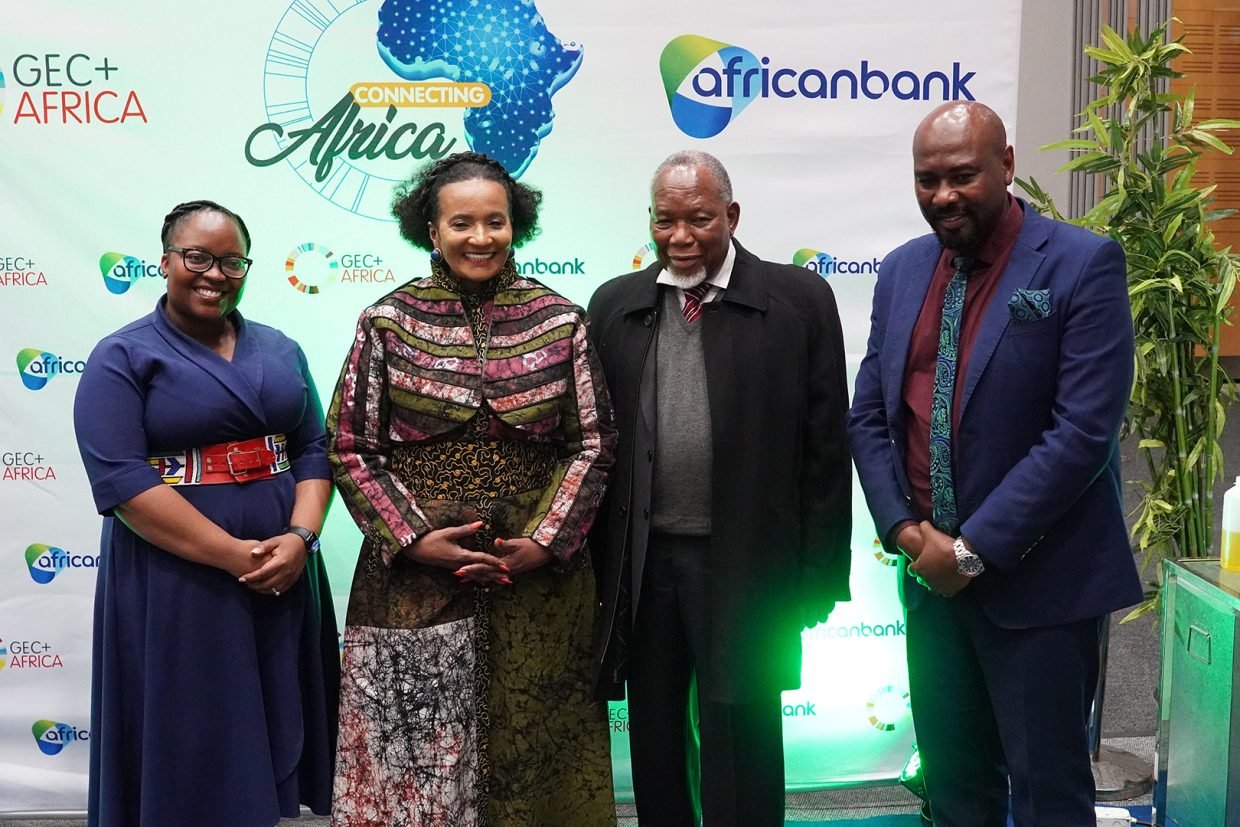
Addressing the issue requires institutions to move beyond passive loan application reviews. Lenders like African Bank through initiatives explained by Group Chief Transformation and Sustainability Officer Edna Sathekga-Montse are responding by integrating non-banking business support directly into their platform offerings.
By providing payroll assistance, tax compliance guidance and human resource management tools alongside standard banking services, financial institutions help entrepreneurs structure their operations. Generating verifiable operational data allows lenders to accurately assess business risk, evaluate affordability and expand credit access across the small business sector.