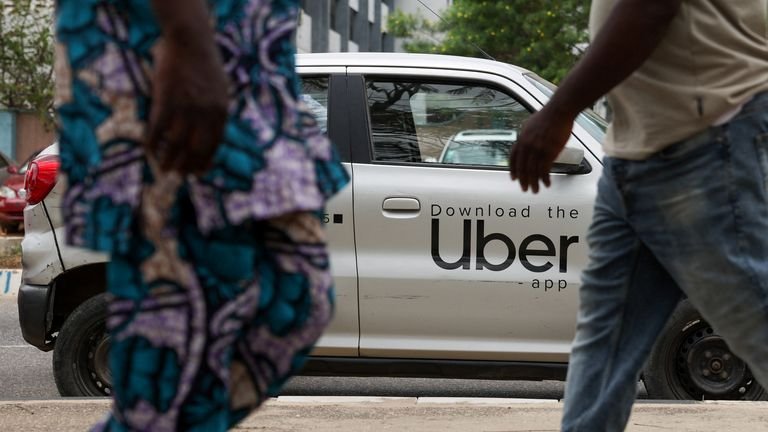
“I asked why?”
That was Iyanu’s first reaction when she saw a tweet announcing that Uber was shutting down its operations in Nigeria. The video producer based in Abuja, Nigeria’s capital city, said she stared at the news in disbelief. The ride-hailing app had become a familiar part of how she moved around the city.
“At first, I thought it was fake news because you know how X can be,” she told TechCabal in a WhatsApp text message on Thursday.
Iyanu is not alone. For thousands of Nigerians who frequently use ride-hailing platforms, Uber’s exit after 12 years came as a surprise, raising questions about what comes next. Its departure also reshapes a market already marked by high operating costs, long-running disputes with drivers over fares and commissions, and a long list of ride-hailing companies that have failed to survive.
In an email to customers and drivers on Wednesday afternoon, Uber announced it would wind down its operations since its 2024 launch in Lagos. Drivers who spoke to TechCabal said they were worried that losing Uber would make an already difficult business even tougher.
However, the company informed active drivers it would provide a one-off discretionary “goodwill payment” as they transition from the platform.
Beyond its drivers and local employees, Uber’s departure is forcing another group of people to think about what they are losing.
Ezekiel Abayomi, a Lagos-based data analyst, told TechCabal that Uber was more than an option for getting around the state.
“I use Uber every time I am going out,” he said. “I use Uber like three times a week because I use a wheelchair and I do not have a car yet, and the buses in Lagos are not accessible for wheelchair users. So, I do not use buses.”
Abayomi has used Uber since 2021, when he moved to Lagos from Kwara, a state in North Central Nigeria.
Without access to the city’s buses, ride-hailing became his primary way of getting around. What he will miss, he said, is the certainty that the driver who arrives will take him where he needs to go.
“I think they trained their drivers to be sensible to people like me,” he said. “Uber drivers are just really nice. If I book a ride, I just don’t worry about the driver rejecting me.”
This was important because, according to him, his previous experiences on other platforms have not been welcoming.
Still, he already has plans to cope with the exit. Over the years, he said he had built a relationship with a driver he regularly calls directly when he needs to go out. For now, he plans to rely on that relationship rather than search for another app.