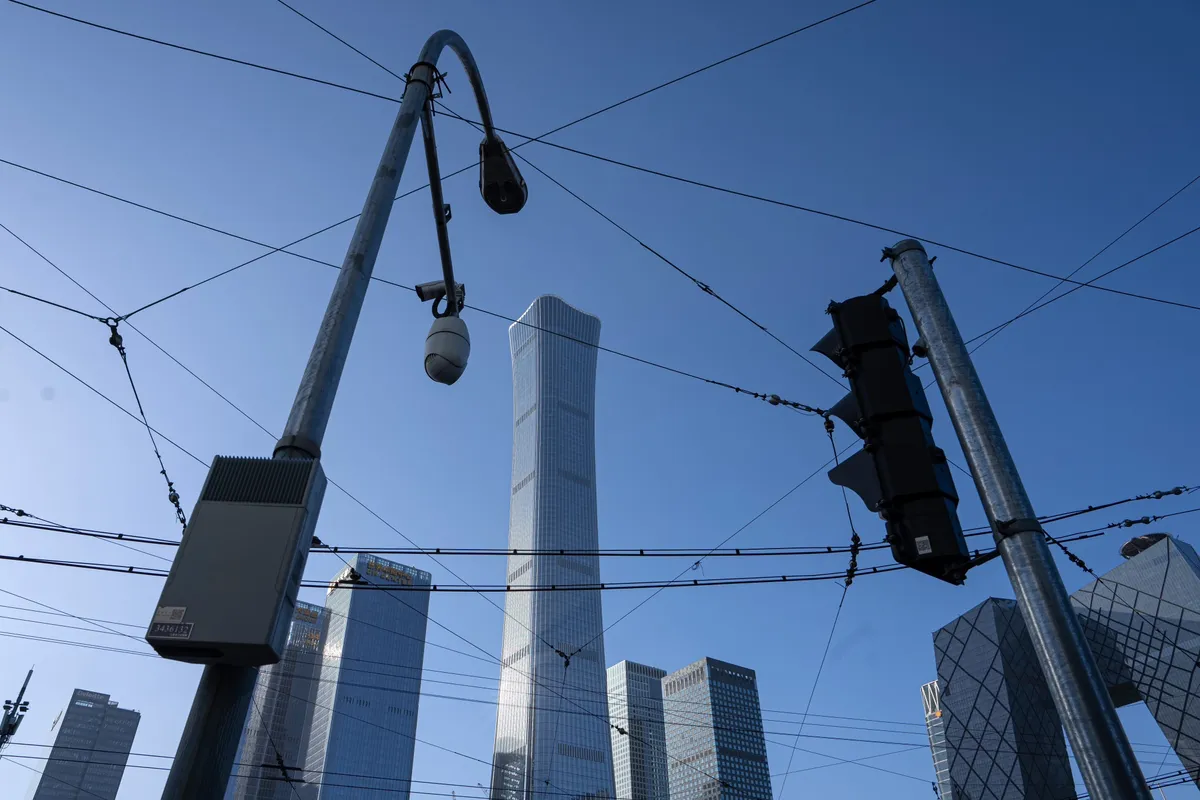
Beijing bans citizens from owning or storing drones inside the capital city starting November 15 after a tall building crash.
The government authorities in China have announced a total ban on the ownership and storage of small flying machines, known as drones, inside the capital city.
The official announcement detailing these new security rules was published on Monday, September 14, 2026. Under these strict new laws, citizens and visitors living in the capital city will no longer be allowed to keep recreational drones, spare flying parts, or remote controllers inside their homes, offices, or shops.
The new ban affects the entire city of Beijing, which has been declared a controlled airspace zone. Government leaders gave residents until Saturday, November 14, 2026, to remove all flying devices from the capital.
Starting Sunday, November 15, 2026, police officers will begin inspecting homes and shops, seizing any illegal flying gadgets, and issuing heavy fines or criminal charges to anyone caught keeping drone equipment within city boundaries.
The main reason why government leaders introduced these tough rules is to protect important city buildings, government offices, and citizens following a fatal crash in late June.
During that tragic incident, a small 2 seater aircraft lost control and slammed into the side of the 109 story CITIC Tower, which stands as the tallest skyscraper in the city.
The terrible crash killed the pilot and injured thirteen people on the ground. Because the tall tower sits just a few kilometers away from major government headquarters, leaders decided to tighten airspace security to prevent future accidents or illegal flying threats.
To help citizens obey the new security law without losing all their money, city authorities established an official government buyback program.
People who own drones can hand over their flying devices at designated collection centers to receive financial compensation up to 3,000 yuan, which is about $447 US per device.
See Also: China President Xi Jinping Proposes Open AI Network for BRICS Nations
Owners can also choose to hand over old devices for recycling or move their personal drones to homes outside the city, as flying drones outdoors remains legal in other regions of the country under real name registration rules.
Explaining the strict details of the new airspace rules, state media reports confirmed that residents will not be permitted to “possess or store recreational drones or drone parts after the new rules take effect” on November 15.
Reporting on the financial support offered to affected citizens, local news sources stated that the government will offer a “buyback programme, capping purchases at 3,000 yuan per unit” while warning that police officers will have full power to “confiscate drones from people who violate the rules and impose fines on individuals and companies.”
This major technology restriction marks one of the strictest drone bans anywhere in the world. As the deadline approaches, drone owners, video creators, and technology lovers across the capital city are turning in their flying devices, while safety officials work to keep city skies safe for everyone.