4Sight Holdings believes the next phase of enterprise artificial intelligence (AI) will be less about chatbots and more about rebuilding how businesses actually work.
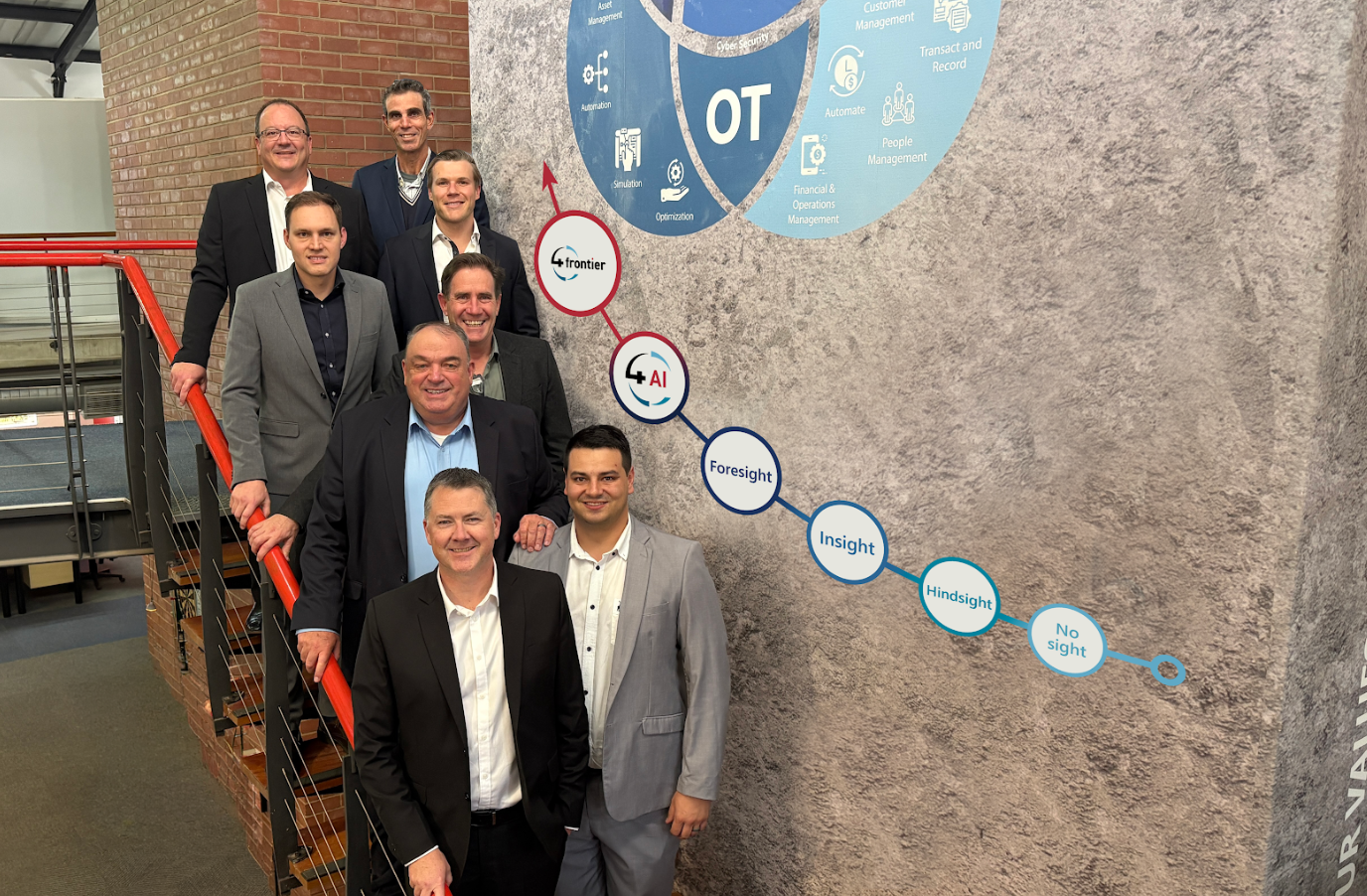
The South African technology group, listed on the Johannesburg Stock Exchange (JSE), has reshaped its executive leadership around that vision, appointing Clark Fourie as chief information technology officer, Jeandré du Randt as new chief business environment officer, and Essich Wassenaar as its group frontier operations officer.
The appointments are part of 4Sight’s effort to turn its proprietary 4Sight Automated Intelligence (4AI) platform into a broader engine for automating business processes. The company says its AI transformation is built around four pillars: data, process, training and change.
Rather than treating AI as another software layer that employees occasionally query, 4Sight sees it as technology that can design, execute and optimise the workflows that underpin a business.
“Artificial intelligence isn’t really a good name for business automation. When we say AI at 4Sight, we mean 4Sight Automated Intelligence. It’s about taking the automation of routine business processes forward by giant leaps,” CEO Tertius Zitzke told TechCabal in an interview.
That means moving beyond businesses testing copilots, chatbots and individual AI agents without fundamentally changing how they operate.
4Sight says the new leadership structure is intended to help organisations move “beyond AI experimentation towards practical, intelligent solutions that deliver measurable business value.”
For Zitzke, the starting point is not the AI model itself, but the data and processes businesses already have.
“At 4Sight, we focus on a holistic approach. The first thing is data structuring. Your processes must be mapped very carefully. Then there’s people-skills upliftment in your organisation. The biggest thing, though, is adoption and change management in business,” he said.
Zitzke expects AI to change virtually every job, but not necessarily eliminate jobs. The International Labour Organization estimates that one in four jobs globally is potentially exposed to generative AI, with transformation more likely than outright replacement.