
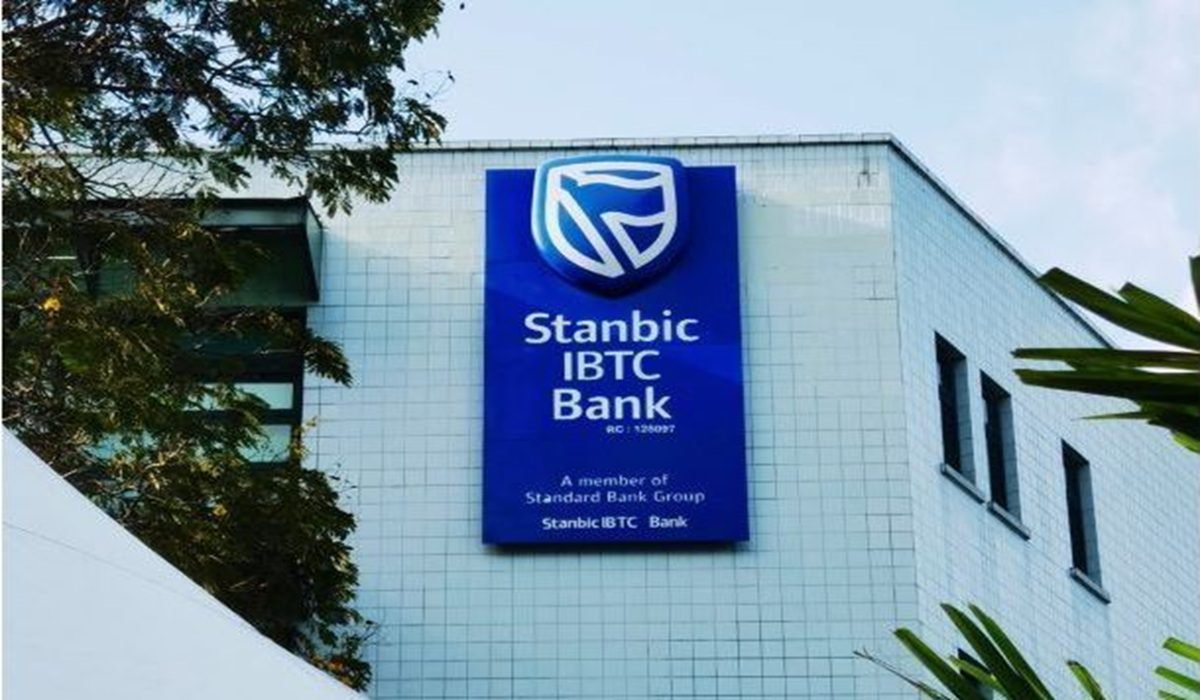
Stanbic IBTC records a massive profit surge driven by electronic banking fees, digital money transfers, and online service charges.
Nigerian financial institution Stanbic IBTC Holdings has officially released its latest financial performance results, showing massive profit growth driven largely by electronic banking fees and digital transaction charges.
The major corporate financial report was publicly published on October 23, 2026, revealing strong earnings across its banking and investment operations.
Under this new financial performance report, the banking group recorded substantial increases in non-interest income, with electronic banking fees, mobile transfer commissions, and digital account service charges contributing heavily to its bottom line.
As millions of bank customers shift away from traditional banking halls and rely entirely on mobile phone apps, USSD shortcodes, and ATM cards to send money, pay utility bills, and complete daily business transactions, financial institutions are raking in massive revenue from digital service charges.
While loan interest income remains important, electronic channel fees have become a major backbone for modern bank earnings.
The bank’s digital platforms successfully handled millions of automated transactions every single day during the reporting period, proving that technology investments by financial institutions are paying off handsomely for shareholders and corporate investors.
Understanding how banks make money from electronic fees and digital transactions is very important for everyday bank customers, small business owners, market traders, and working families across Nigeria.
In today’s cashless economy, ordinary citizens use mobile phone apps and electronic transfer channels to pay for goods, receive business payments, and send money to relatives across the country.
Every time customers transfer money or pay bills using mobile banking apps, small transaction fees and electronic charges are deducted from their accounts.
When banks report massive profits driven by these electronic banking fees, many everyday customers begin asking whether digital transaction charges are too high and whether banks should lower the cost of sending money.
See Also: Global PC Shipments Projected to Fall 27% in Fourth Quarter of 2026 as Memory Costs Rise
Explaining how strong growth in electronic banking transactions and digital service fees helped boost overall revenue, top financial managers at the institution shared key insights from the earnings report.
Highlighting the bank’s successful transition toward digital-first financial services and electronic payment channels, the Chief Executive Officer of Stanbic IBTC Holdings noted that “our focus on expanding digital channels and improving electronic banking services has driven significant revenue growth across our retail and commercial operations”.
Emphasizing that the bank remains committed to providing reliable, fast, and secure digital platforms for all customers while managing transaction costs efficiently, corporate leadership added further commentary on the financial results.
Pointing out the vital role that electronic banking plays in modern financial systems, company management stated that “fee income from electronic transactions continues to play a pivotal role in strengthening our financial position as customer adoption of digital banking accelerates across the country”.
Nigerian commercial banks are investing heavily in upgrading their digital applications to handle rising online traffic.
As millions of customers continue using mobile apps for everyday payments, banks across the country look set to record even higher digital transaction revenues in the coming months.


2 thoughts on “Stanbic IBTC Holdings Records Massive Profit Surge Driven by Electronic Banking Fees and Digital Transactions”